Easy China Visa Stamping Guide for 2025 "China visa application"
Discover the step-by-step process for a hassle-free China visa application in 2025. Learn how to easily get your China visa stamped and navigate the China visa process with our comprehensive guide.
11/24/20257 min read
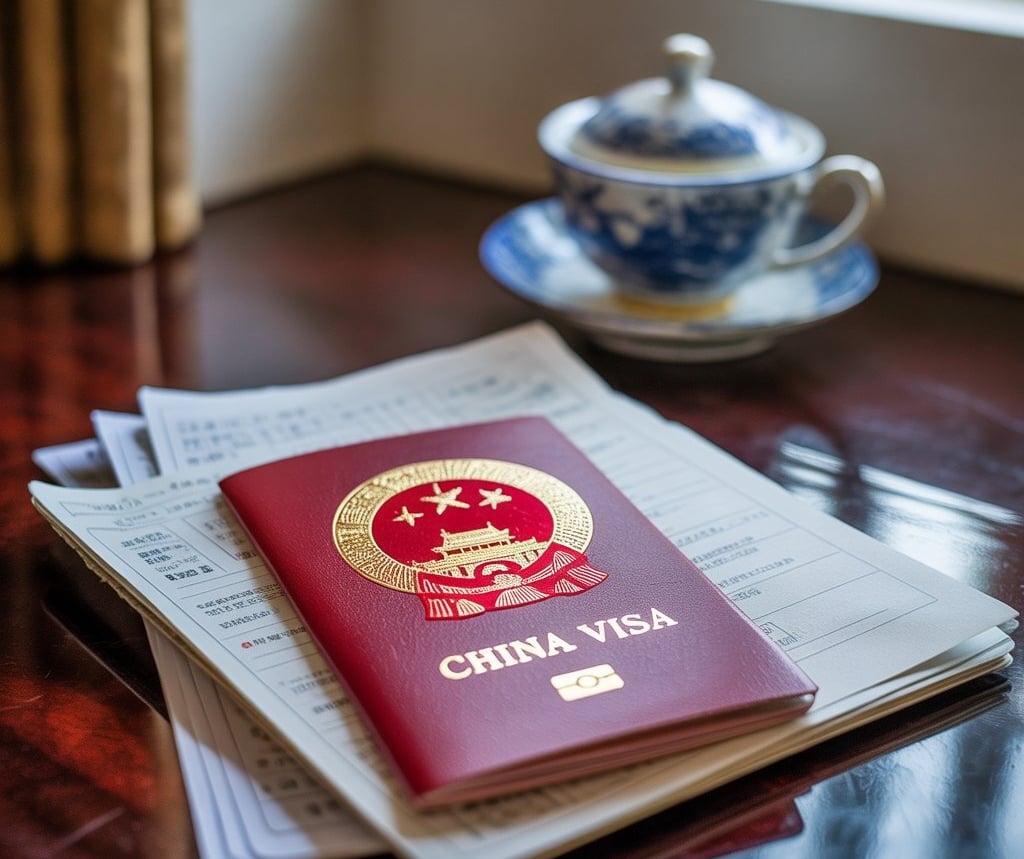

Understanding the Visa Requirements
Obtaining a visa for China requires an understanding of the various types available and their specific requirements. The main categories of visas include tourist visas (L visa), business visas (M visa), and student visas (X visa), each tailored to meet different purposes of travel. The tourist visa is designed for individuals intending to travel for leisure, while the business visa is for those visiting for commercial activities. The student visa caters to foreign students pursuing study at Chinese institutions.
For a tourist visa, applicants typically need to submit a valid passport, completed application form, recent passport-sized photographs, proof of accommodation, and travel itinerary. It is important to ensure that your application is accurate and comprehensive to avoid delays. The business visa application requires additional documents such as an invitation letter from a Chinese company and proof of employment or business registration. For students applying for a student visa, necessary documents include an enrollment letter from a Chinese educational institution and evidence of sufficient financial resources to cover living expenses.
It is also essential to stay updated on any recent regulatory changes expected for 2025 that may affect visa applications. This includes potential modifications in documentSubmission processes and eligibility criteria. Prior to initiating your application, checking your eligibility is crucial, as specific conditions may apply based on nationality, purpose of travel, and length of stay. Being well-prepared and equipped with the correct documentation will enhance your chances of a smooth visa stamping process.
The Application Process: Step-by-Step Guide
Obtaining a visa for China in 2025 requires adherence to a systematic application process. The first step is to fill out the application form accurately. This form can often be accessed online or through the Chinese consulate's website. Ensure that all information is filled in completely and accurately to avoid delays. If uncertain about any section, it is advisable to consult a guide or seek assistance from someone experienced in filling out visa applications.
Once the application form is complete, the next crucial step is gathering supporting documents. Applicants will typically need to provide a valid passport, recent passport-sized photographs, proof of travel arrangements, and an itinerary that details the purpose of the visit. Additional documentation may be required depending on the type of visa being applied for, such as an invitation letter from a host in China or proof of financial means to support your stay. Organizing these documents in advance can streamline submission and prevent last-minute scrambling.
When submitting the application, applicants have the option of either online submission or an in-person visit to a visa application center or the nearest Chinese embassy. Online submissions are generally quicker but require careful adherence to electronic guidelines. In-person applications allow for direct interaction with officials who can answer questions, although wait times may be longer. Regardless of the method chosen, applicants should pay close attention to the specific requirements for their chosen application route.
Finally, after submission, tracking the application status can be beneficial. Common pitfalls include incomplete forms or missing documents, which can lead to delays or rejections. Therefore, ensuring that every detail is thoroughly checked before submission will likely enhance the chances of a successful visa approval.
Preparing Your Documents: What You Need
Securing a China visa requires meticulous attention to document preparation, as this is a critical step in ensuring a successful application. First and foremost, applicants must provide valid personal identification. This includes a passport that is valid for at least six months from the date of entry into China and contains at least two blank pages for visa stamps. Additionally, it may be necessary to submit a copy of the identification page of the passport alongside your application.
Next, financial documentation plays a crucial role in demonstrating your ability to support yourself during your stay in China. Most applicants will need to present bank statements from the previous three to six months, showing sufficient funds to cover travel expenses. A letter from your bank can further strengthen your case, reflecting your financial stability. Employers may also be required to provide an employment verification letter, confirming your position, salary, and duration of employment. This document reinforces your ties to your home country, which is an essential factor during the evaluation of your application.
In addition to the above-mentioned items, there are often other critical materials necessary for a complete application. For instance, if you are invited to China, an invitation letter from a host organization or individual is typically required. This document should detail the purpose of your visit, duration of stay, and the nature of the relationship with the host. Furthermore, accommodation proof—such as hotel reservations or a lease agreement—may also be requested to ensure your stay arrangements are confirmed. Preparing these documents accurately and thoroughly not only expedites the application process but also significantly increases the likelihood of obtaining your China visa smoothly.
Common Mistakes to Avoid
Applying for a China visa can be a complex process, and many applicants encounter common pitfalls that can lead to delays or outright rejections. Understanding these issues is crucial for anyone looking to navigate the visa application successfully. One of the frequent mistakes is failing to complete the visa application form accurately. Providing incorrect information, such as mismatched names or discrepancies in dates, can raise red flags for processing officers. To avoid this, it's essential to double-check all entries and ensure consistency throughout all documentation.
Another common stumbling block is neglecting to gather the required supporting documents. Each visa category has specific requirements, and a lack of crucial paperwork, like proof of accommodation or an invitation letter, can result in a denial. Prospective applicants should carefully review the checklist provided by the Chinese embassy or consulate before submission to ensure all necessary documents are included. Inadequate attention to detail in this aspect can cause unnecessary delays in the visa process.
Some travelers also underestimate the importance of time management when applying for a China visa. Many individuals plan their trips without accounting for the processing time their visa application will require. Failing to apply well in advance can lead to last-minute stress. To mitigate this risk, applicants should be mindful of the processing times indicated by the consulate or embassy and submit their applications as early as possible.
Lastly, don't disregard the impact of application fees and payment methods. Errors in payment—such as using an unsupported payment method or miscalculating fees—can hinder the processing of your application. Therefore, it is recommended to familiarize yourself with the fee structure and acceptable payment options specific to the consulate you are applying to. By avoiding these common mistakes, applicants can ensure a smoother application process for their China visa in 2025.
Visa Processing Times: What to Expect
When seeking to obtain a China visa in 2025, understanding the processing times is crucial for successful travel planning. Processing times vary significantly based on several factors, such as the type of visa being applied for, the volume of applications at the relevant consulate, and unexpected delays that may arise. Generally, standard processing for most visa categories will take between four to six weeks. However, some visa types might have quicker or longer processing times, which applicants should take into account when preparing their travel itineraries.
The type of visa significantly influences the processing duration. For instance, tourist visas often experience quicker processing times compared to work visas, which necessitate additional documentation and approvals from Chinese authorities. Moreover, during peak travel seasons or holidays, the application volume at consulates tends to increase, which may further prolong processing times. Applicants are advised to keep this in mind and submit their visa applications well in advance of their intended departure date, ideally at least two to three months ahead.
In addition to considering visa types and application volume, unforeseen circumstances—such as political changes or global events—can impact processing times. Keeping abreast of current affairs and any announcements from the Chinese consulate is advisable. To ensure a smooth application process, applicants should explore options for expedited processing if available and familiarise themselves with all required documentation beforehand. By planning ahead and accommodating for these factors, applicants can minimize the chance of delays and increase their likelihood of receiving their China visa in a timely manner.
Post-Application: What to Do After Submission
Once you have submitted your China visa application, it is essential to remain proactive throughout the waiting period. One of the first steps to take is to track the status of your application. Most visa processing centers provide an online portal or a tracking number that can help you monitor the progress of your application. Regularly checking the status can provide peace of mind and help you estimate when to expect your visa.
If you have not received any updates and the usual processing time has passed, it is appropriate to reach out to the consulate or visa processing center. When inquiring about your application, ensure that you have your reference number and any additional information at hand. This enables them to retrieve your application status promptly. Handling follow-up inquiries professionally and courteously can facilitate a smoother communication process.
It is also important to be aware of the potential issues that may arise during the application process. In some cases, additional documentation may be required, or you may be asked to attend an interview. Should you find yourself in such a situation, respond swiftly to any requests made by the authorities. Being responsive shows your commitment to the visa process and can enhance your application's chances of approval.
Lastly, prepare for different outcomes. If your application is approved, ensure you have the necessary documentation for your travel. However, if your application is denied, review the reasons provided. Understanding these reasons can help you address any weaknesses in future applications. Keeping these aspects in mind during the waiting period will prepare you for any eventuality, leading to a more organized and less stressful experience as you wait for your China visa.
Tips for Getting Your Visa Stamped Smoothly
Securing a visa stamp can sometimes feel like a daunting task, but with the right preparation and understanding of the process, you can make it much smoother. One of the primary tips for a successful visa stamping experience is to plan your visit to the consulate or embassy wisely. It is advisable to choose a time during the early hours of operation, as this often results in shorter wait times. Additionally, mid-week days, like Tuesdays or Wednesdays, are typically less crowded compared to Mondays or Fridays. This strategic timing can greatly affect your overall experience.
On the day of your appointment, it is essential to have all necessary documents organized and readily accessible. Make sure to double-check your documents beforehand to ensure their accuracy. You should bring your passport, visa application form, any required photographs, and supporting documents that showcase the purpose of your visit. Having everything prepared will expedite the process and demonstrate your preparedness to the staff.
Effective communication with consulate staff is also crucial. Approach them with a polite demeanor and be clear about your requests. If there are any points of confusion, do not hesitate to ask for clarification. This not only makes the process more efficient but also contributes to a positive interaction that may benefit your application. Moreover, staying calm and composed can help alleviate stress, especially if situations become hectic.
Lastly, be prepared for any last-minute issues that may arise. Keep contact information for relevant support services handy, whether for legal assistance or travel advisories. This preparedness can equip you with the resources needed to handle unexpected complications. By following these practical tips, you can enhance your confidence and significantly ease the visa stamping process, allowing for a more seamless experience.